
Georgetown and Williamson County, TX
Water Damage Restoration in Georgetown, TX
Our local water damage professionals remove standing water, check hidden moisture and dry affected materials in Georgetown, TX. Call now, describe what you see, and get the next steps for your home.
- Calls answered 24/7
- Local water damage professionals
- Georgetown and Williamson County
Start here
If water is inside, follow the matching branch
If you see standing water, damp surfaces or a backup, choose the branch that fits. Every branch starts with the same step: call now and describe the water.
- If the water is clear and under 48 hours old, prompt emergency water removal starts with checking the source and extracting pooled water; clear water still needs assessment, so call now.
- If materials have stayed wet beyond 48 hours, hidden dampness needs attention even when the floor looks dry; structural drying uses moisture readings to guide the work, so call about the wet areas.
- If water entered from outside during flooding, dirt and contamination change the cleanup approach; flood cleanup addresses affected surfaces and materials, so stay out of floodwater and call.
- If water backed up from a sewer or waste drain, keep people and pets away from the affected room; sewage backup cleanup needs precautions for contaminated water, so call from a dry area.
- If the ceiling is dripping, stained or sagging, moisture may extend above the visible damage; avoid the area beneath a sagging ceiling and call about ceiling water damage repair.
Removal, cleanup and drying for wet homes
If water is pooled, extraction removes it; if walls or floors remain damp, drying addresses trapped moisture. Services around Georgetown also cover burst pipes, ceiling damage, affected flooring and sewage backups.
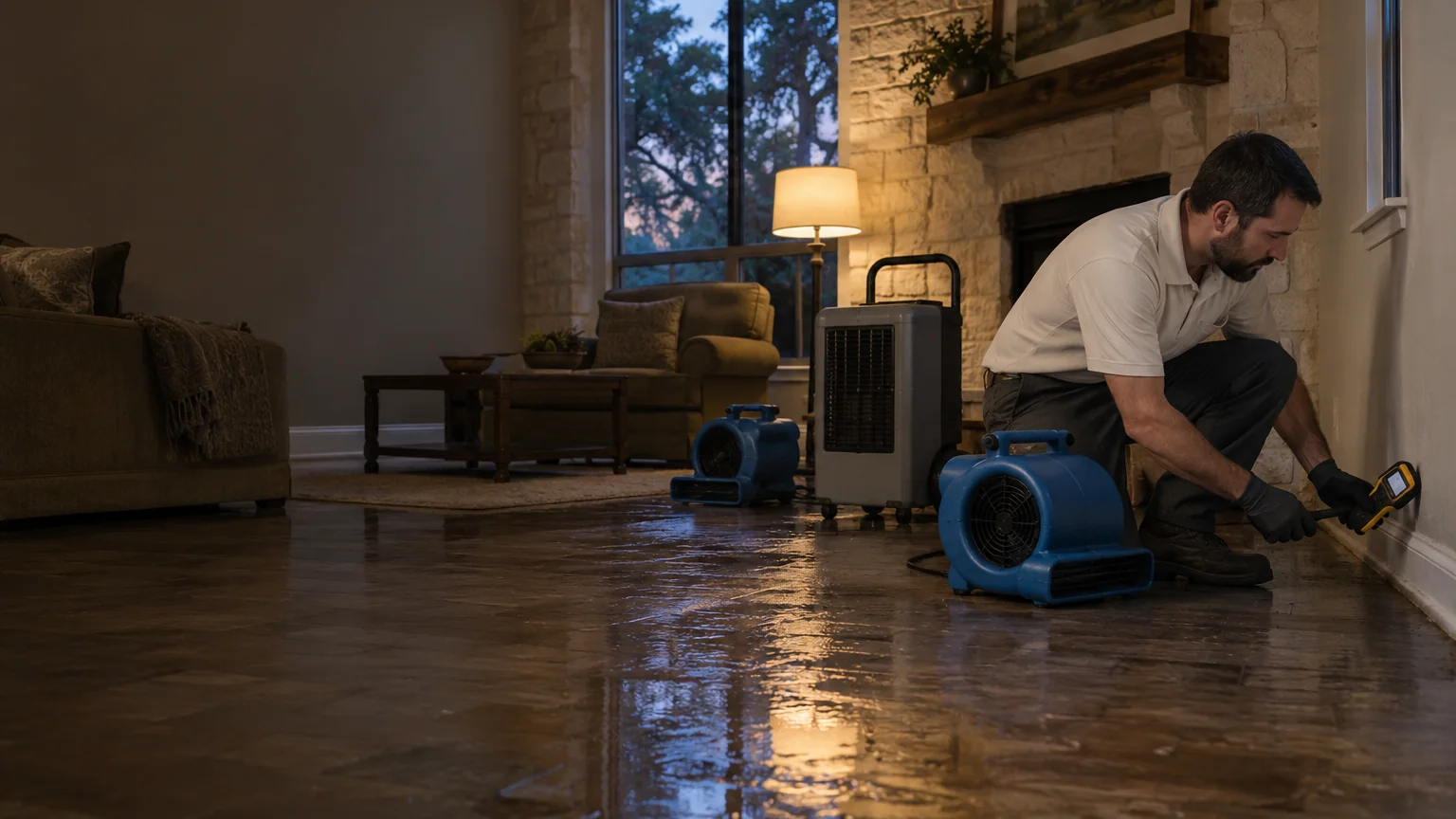
 Emergency Water RemovalIf a leak or overflow leaves standing water indoors, extraction and moisture checks start the work of drying affected rooms.
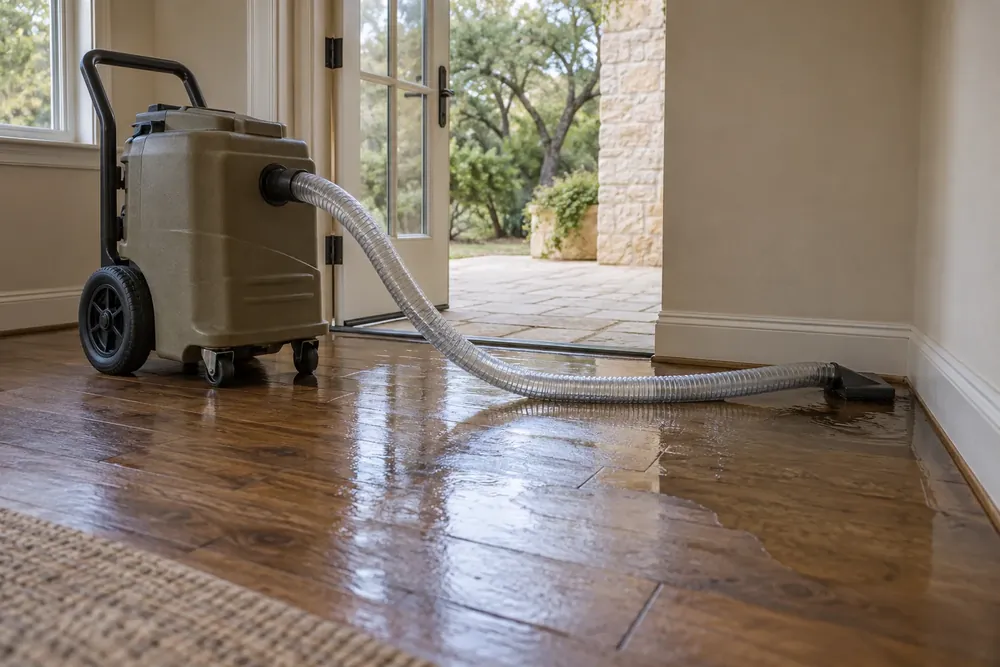 Water Extraction ServicesIf a leak leaves pooled water or soaked carpet, call for extraction and a check of the wet materials underneath.
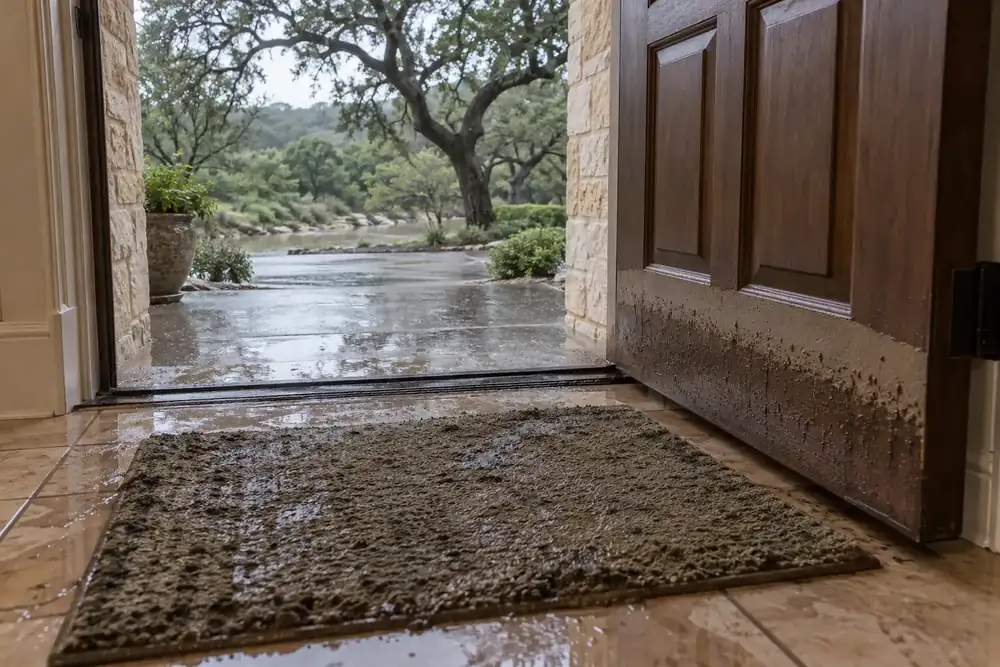 Flood CleanupIf outdoor water leaves mud, soaked flooring or wet walls inside your home, call about cleanup and the materials needing drying.
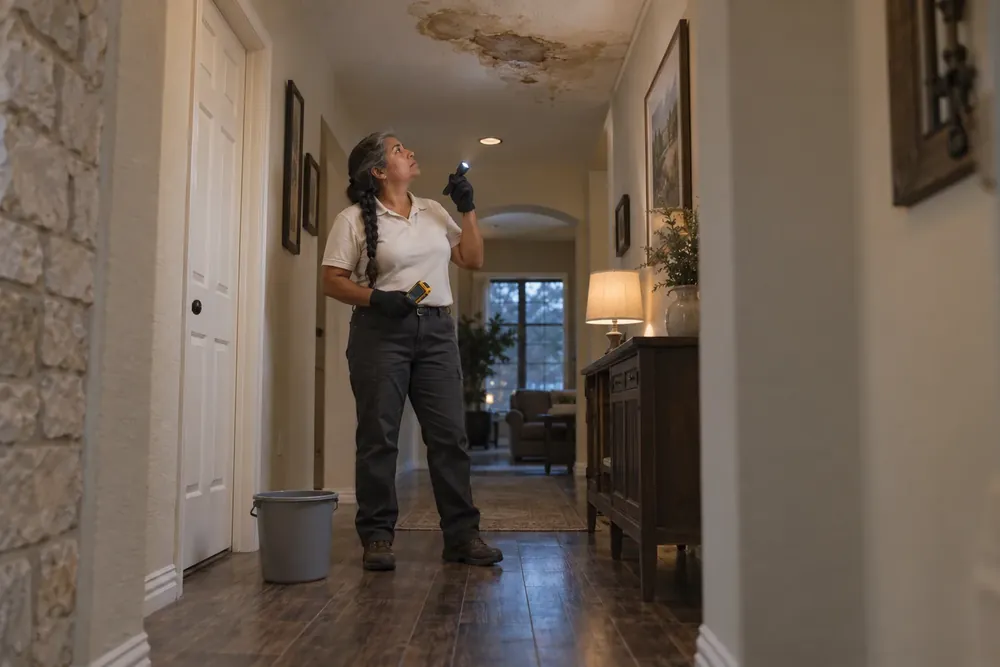 Ceiling Water Damage RepairIf water stains, drips, or sagging appear overhead, call for ceiling moisture checks, drying, and repair planning.
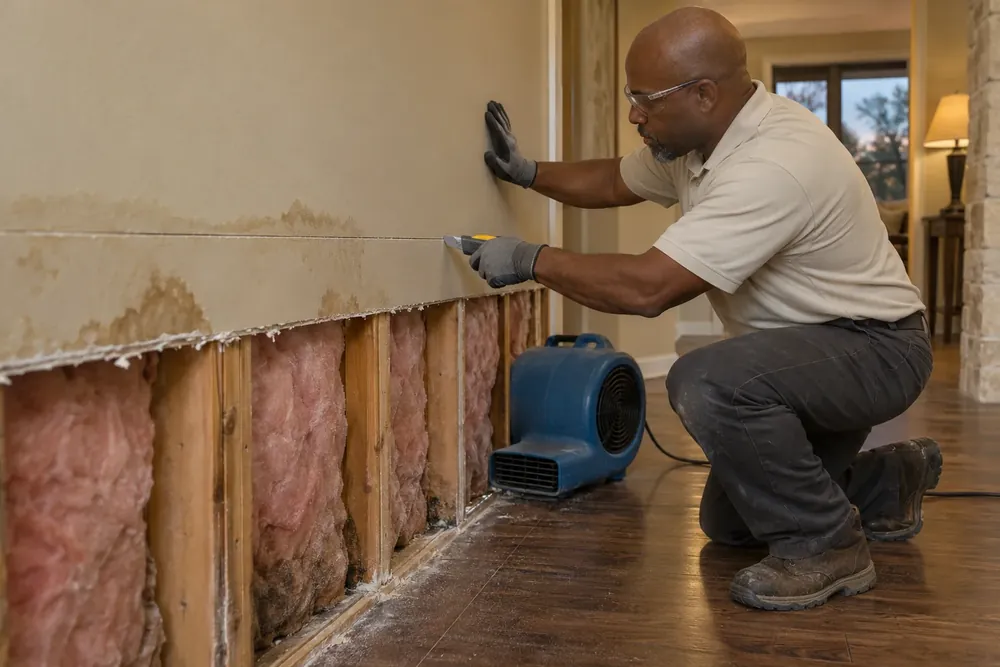 Wall and Drywall Water DamageIf walls soften, blister, or stain after a leak, call for cavity moisture checks, drying, and damaged drywall repairs.
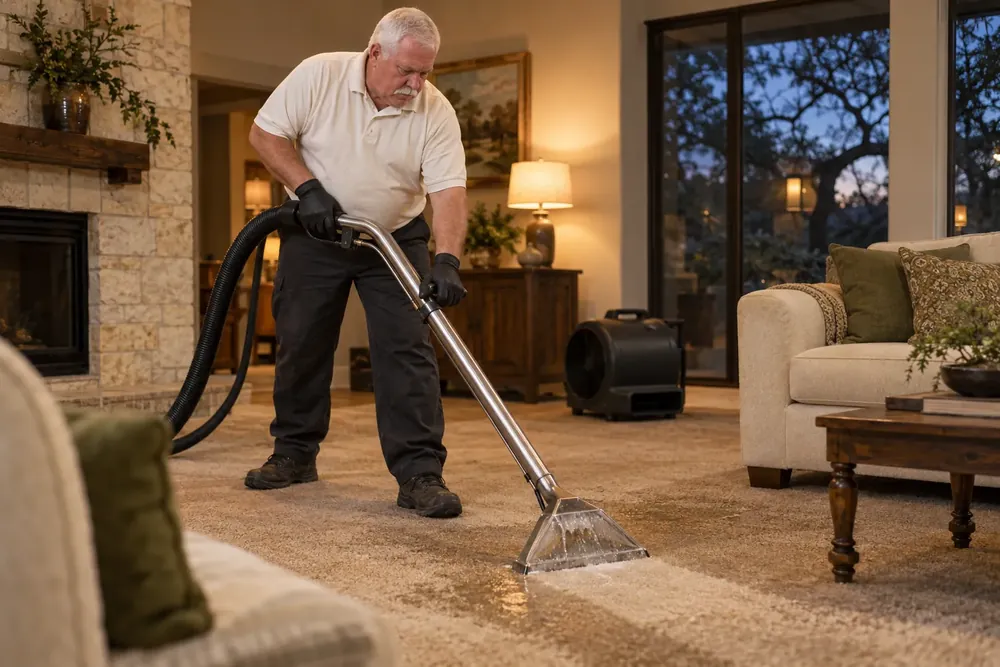
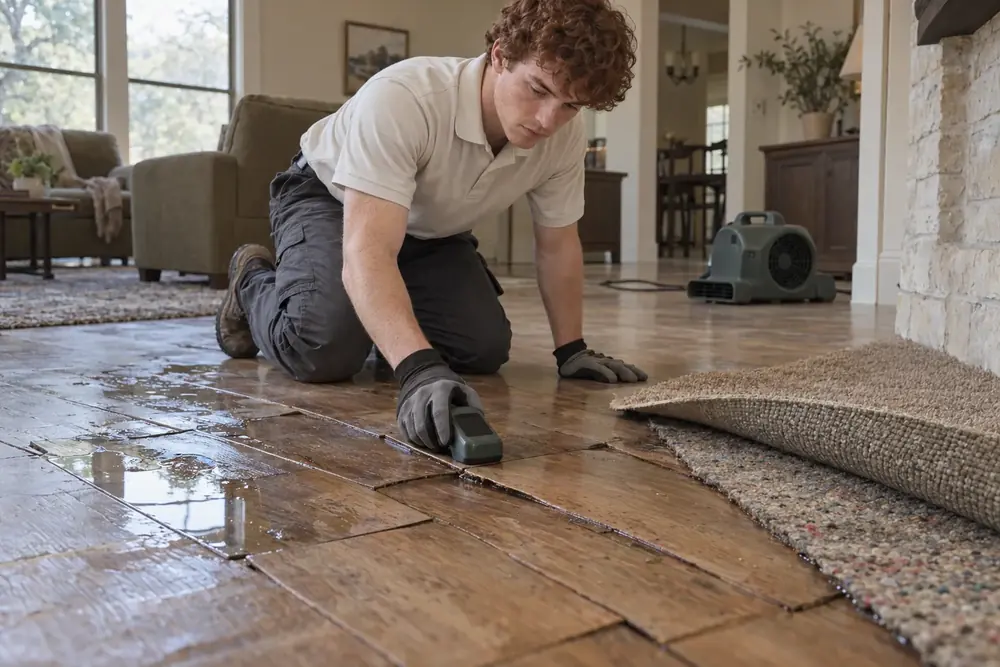 Hardwood and Carpet Water DamageIf wood planks lift or carpet stays damp after a leak, call about extraction, moisture checks and drying beneath the flooring.
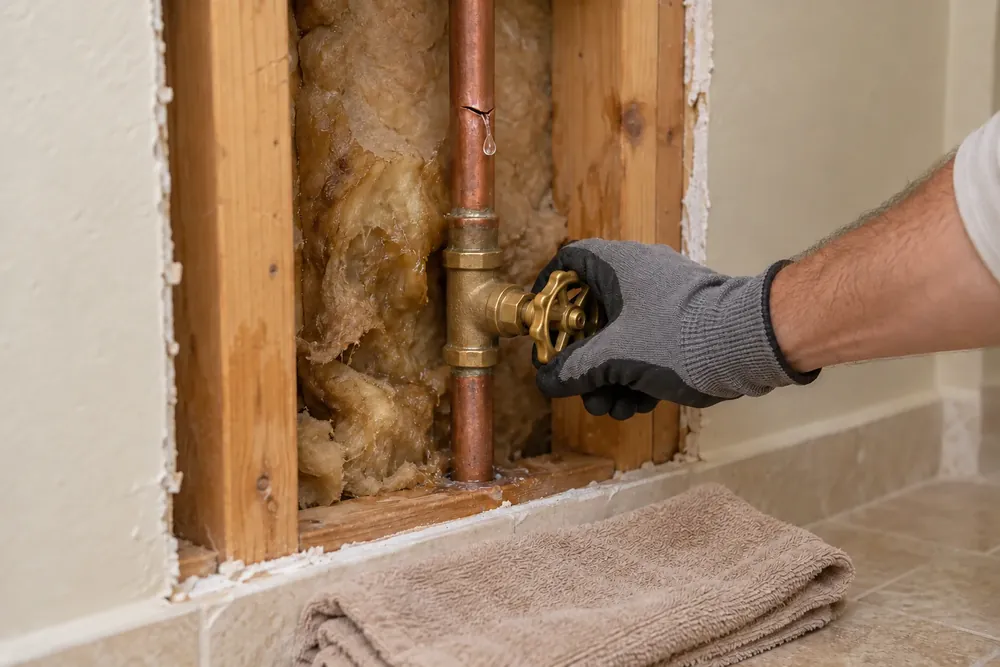 Burst Pipe Water DamageIf a broken supply line soaks walls, ceilings or floors, call about water extraction, hidden moisture checks and drying.
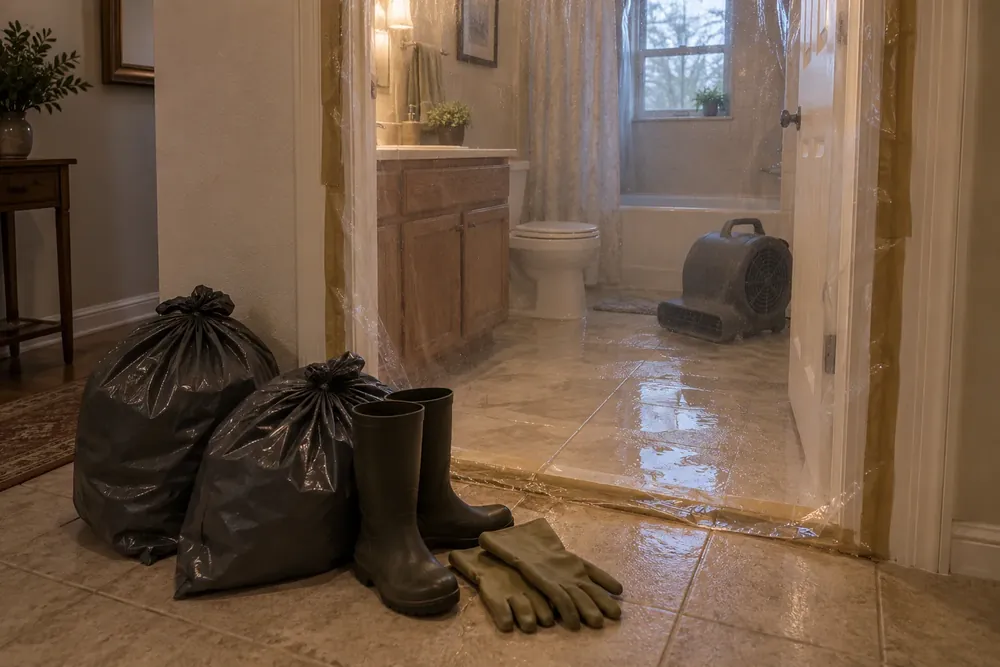 Sewage Backup CleanupIf a toilet or drain backs up onto flooring, call about contaminated water removal, affected materials and drying.
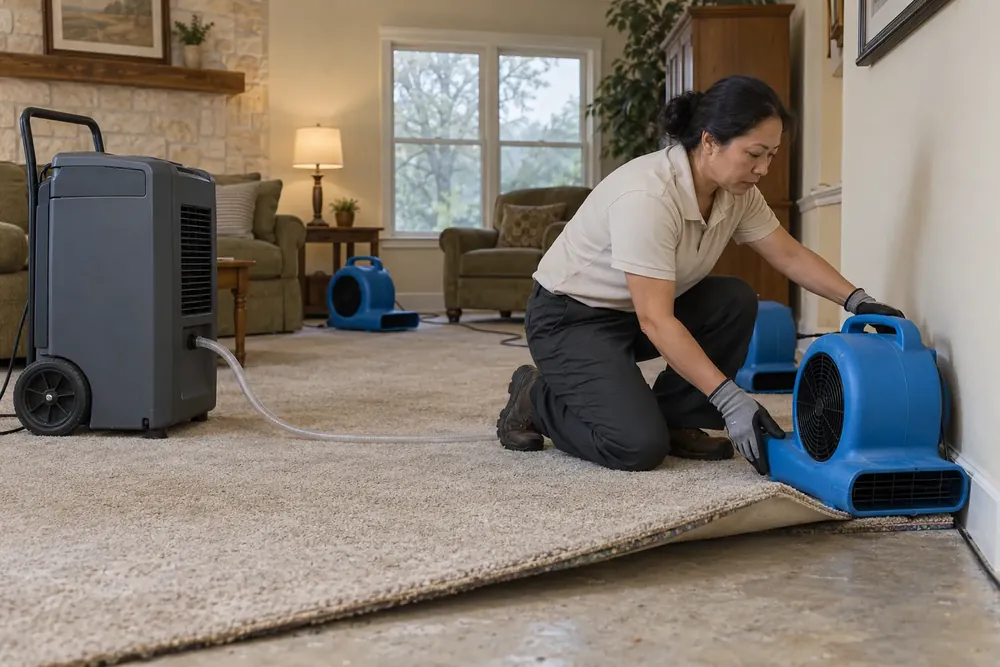 Structural Drying and DehumidificationIf walls, flooring or framing remain damp after standing water is removed, call about measured drying and dehumidification.
Your call starts the drying process
- Call and describe the water, including its source if you know it. One of our local water damage professionals sets the visit time with you and explains the assessment.
- Your technician checks affected rooms and measures moisture in walls and flooring. You receive a written scope and the price before work begins.
- Standing water is extracted, and affected materials are evaluated for drying or removal. Your technician explains how the source repair and cleanup fit together.
- Drying equipment addresses remaining moisture, with follow-up readings tracking progress. Once the drying targets are met, your technician explains any repairs still needed and provides documentation for insurance.
The first two days matter for drying
If materials have been wet for under 48 hours, prompt extraction and drying help limit continued moisture spread. Water can wick into drywall and carpet padding, while wood can swell. Drying wet materials within the first 24 to 48 hours also helps reduce mold risk; the timing is a reason to act, so call now.
If it has been longer, a dry-looking surface can still cover damp layers. Your technician checks moisture rather than judging by appearance alone. Damaged materials may need removal instead of more drying, and the scope should explain that choice. Call even if the puddle has disappeared.
If your Georgetown home has a slab floor, wet flooring still needs assessment beneath the surface. The USDA describes Georgetown-series soils as clay over limestone with very slow permeability. If a summer storm brings water indoors, outdoor ground conditions don't tell you how far moisture has spread inside; call about the rooms affected.
Calls are answered 24/7. Your call starts a local assessment, with the price explained before work. Photos, moisture readings and a written scope provide documentation for insurance. Call whichever branch matches your home.
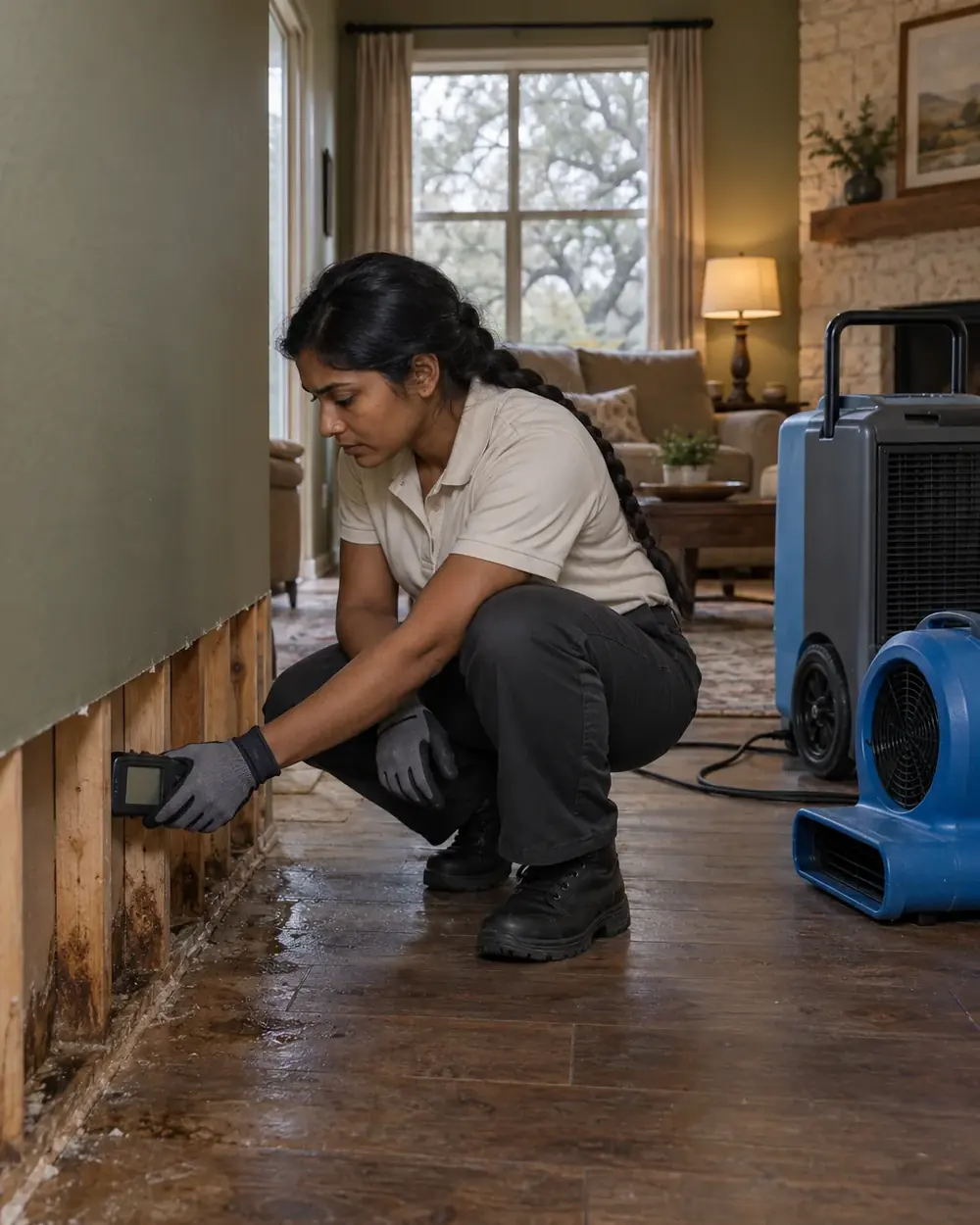
If leaks or weather bring water indoors
If water appears without rain, a leaking supply line, water heater, appliance hose or AC condensate drain may be the source. A leak beneath a slab can also leave wet flooring without an obvious drip. Call about the damp area; the source repair and the drying scope need separate attention.
If water follows heavy rain, Georgetown has a documented history of San Gabriel River flooding and flash flooding. Severe storms can also damage roofs, and winter freezes can crack pipes. Georgetown's hazard mitigation plan documents those local hazards. Call about where water entered and whether it reached floors, walls or ceilings.
If the source is unclear, a stain or musty smell still warrants a moisture assessment. Call now and share whatever you have noticed during the conversation.
Water damage questions, answered
What is water damage restoration?
Water damage restoration includes removing water, drying affected materials and addressing damage that remains. If water is still pooled, extraction comes first after a safety assessment. If surfaces look dry but moisture remains inside, measured drying guides the next steps. Call about the affected rooms and how the water entered.
Can water damage be fixed?
Many water-damaged areas can be repaired, but the material, contamination and time spent wet determine what can be saved. If flooring or drywall remains sound, drying may preserve it. If materials have deteriorated, replacement may be necessary. Call for an assessment and a written scope before choosing cosmetic repairs.
Who fixes water damage?
Water damage technicians assess moisture, extract water and manage drying; the leak itself may need a plumber or roofer. If a pipe is leaking, source repair and drying must work together. If rain entered through the roof, the opening also needs attention. Call and describe the source so the work can be explained.
Is water damage an emergency?
Water damage needs prompt attention when water is spreading, building materials are saturated or contamination is possible. If water touches electrical equipment, stay clear and call from a dry area. If a small leak has stopped, trapped moisture can still cause damage. Call now rather than waiting for the stain to grow.
Will water damage fix itself?
Water damage does not repair itself, and a dry surface does not prove that hidden materials are dry. If the puddle has evaporated, moisture may remain under flooring or inside walls. If swelling or stains remain, repairs may also be needed. Call for moisture checks instead of covering the area with paint.
What does water damage restoration include?
The scope typically includes assessment, extraction, cleanup as needed, structural drying and documentation of affected materials. If water was contaminated, handling and material removal change. If the structure is dry but finishes are damaged, the repair scope should identify what remains. Call to discuss the source and get the work explained.
If water is inside your home, call now and describe the pooling, stains or damp materials you see.
Call (737) 773-5090