
Georgetown · Williamson County
Hardwood Floor and Carpet Water Damage in Georgetown, TX
Our local water damage professionals assess wet hardwood and carpet in Georgetown, TX, extract water and check the layers beneath the flooring. If boards are lifting or carpet feels damp, call now and describe the damage so your technician knows where to start.
- Calls answered 24/7
- Local water damage professionals
- Georgetown and nearby towns
Hardwood and carpet drying services in Georgetown
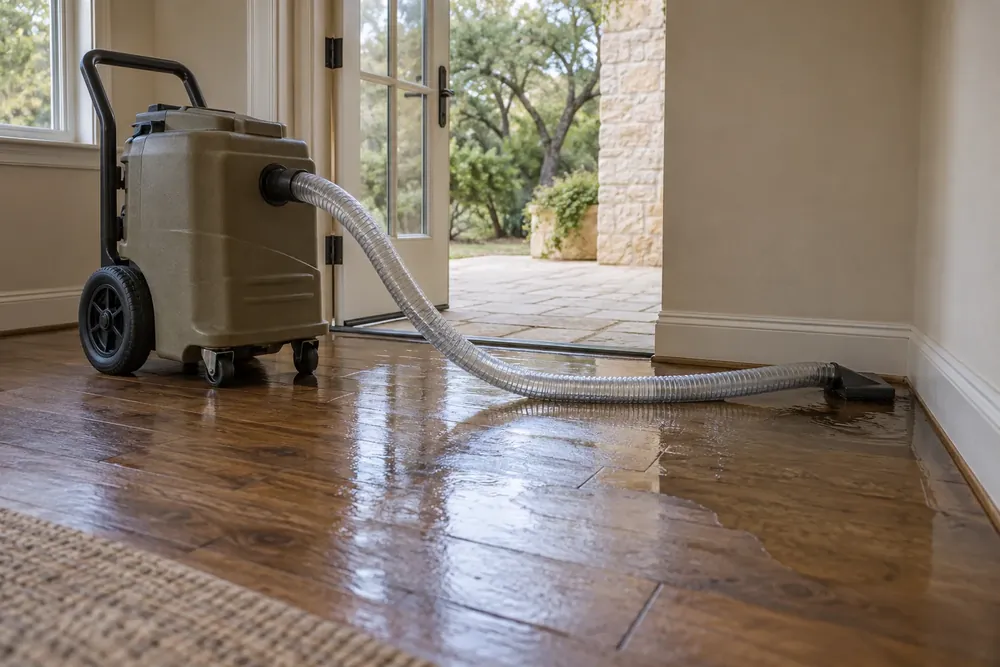
- If carpet is soaked: Your technician handles water removal from carpet with extraction equipment and checks the backing and pad for trapped moisture; call to start the assessment.
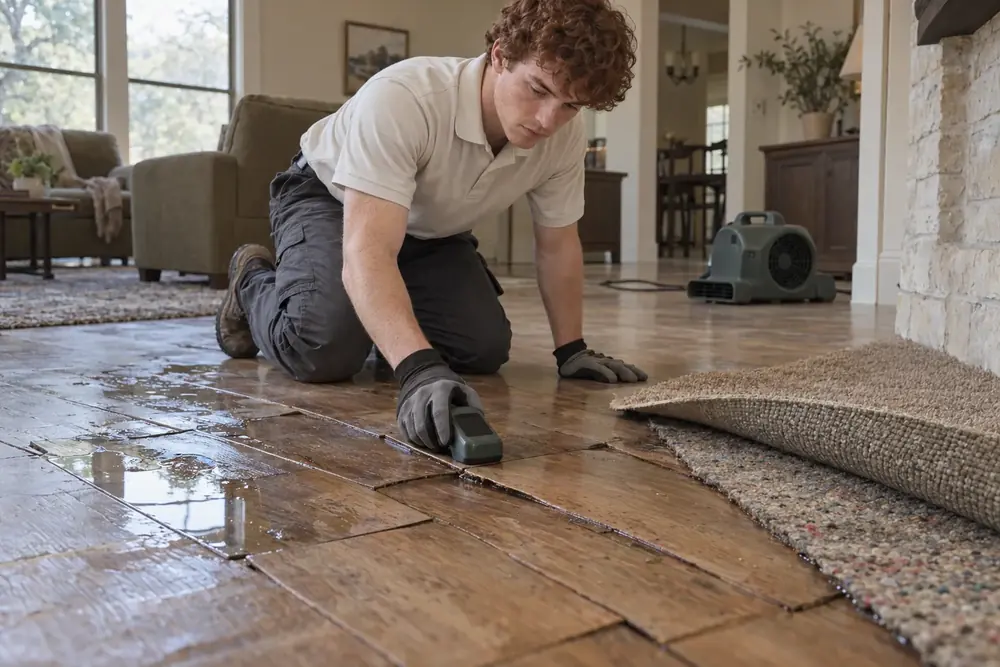
- If boards have changed shape: Moisture checks help identify wet flooring and the surface beneath it, so call about cupping, lifted seams or swelling.
- If the floor surface feels dry: Your technician checks beneath accessible flooring because a dry surface doesn't establish that every layer is dry; call about the original wet area.
- If damaged layers need removal: Your technician explains which materials need lifting or replacement to reach wet areas and includes the work in the scope; call for an assessment.
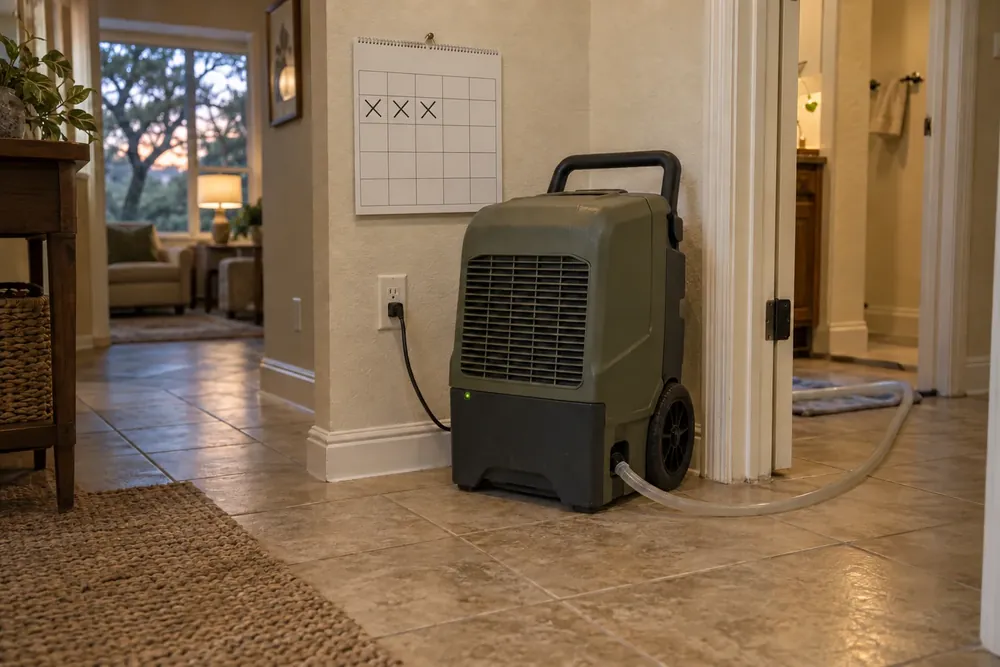
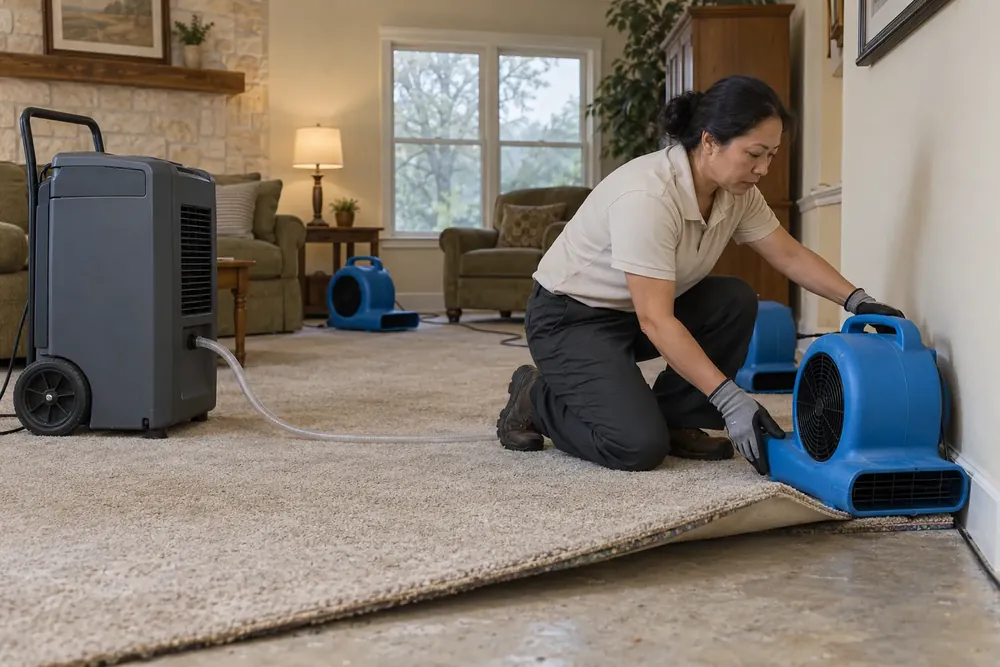
- If materials remain suitable for drying: Extraction, controlled airflow and dehumidification address retained moisture, with follow-up readings to track progress; call about a drying plan.
If you see lifted boards or feel damp carpet
- If board edges rise: Cupping usually signals a moisture change within the wood; call about checking the floor and the layer underneath.
- If carpet squishes underfoot: Water often remains in the backing or padding; call about extraction and drying.
- If you see water damage on wood: Swelling or changed seams can mean moisture has entered the boards; call for readings.
- If a musty smell follows a leak: Hidden damp materials need assessment, especially after 48 hours; call now.
- If a wet patch spreads: The source or moisture path needs attention; call while keeping clear of the affected floor.
How floor extraction and drying work
- If flooring is wet, call and describe the rooms affected, the water source and when you noticed it; you can share those observations during the call.
- Your technician checks the flooring, backing, padding and accessible subfloor, then explains the scope and price before work starts.
- If materials are suitable for drying, extraction removes excess water and drying equipment targets retained moisture; damaged layers are addressed within the agreed scope.
- Moisture readings track the floor's progress and help determine the next repair step; call if a new wet patch or smell develops during drying.
What changes the cost of floor drying
If one room has wet carpet, the scope differs from water beneath hardwood across several rooms. Floor type, affected area, contamination, access beneath the flooring and the number of damaged layers affect the work. Call about the affected layers.
If you're comparing water damage floor repair options, include extraction, drying, material removal and replacement in the comparison. Drying and new flooring should be clearly identified in the written scope; call about the proposed repairs.
One of our local water damage partners will explain the scope and price before any work starts. Call about your floor, and use the restoration cost guide for more on cost factors.
Why homeowners call about wet flooring
- If you notice water overnight: Calls are answered 24/7, so call when you find the problem.
- If you need local help: Your call connects you with a water damage professional for Georgetown; call about the rooms affected.
- If you need a clear scope: Your technician explains the proposed work and price before starting; call about the damaged flooring.
- If you need documentation for insurance: Photos, moisture readings and a written scope record the affected materials; call about documenting the damage.
Documentation for flooring damage and insurance
If hardwood or carpet is damaged, photos, moisture readings and a written scope document the condition of the flooring and the proposed work. Your technician records affected areas and the layers involved; call about documenting the flooring.
If you already have pictures of the leak, share them during the call; you don't need to enter a wet room to take more. Call about documenting your floor, and read the insurance guide for more on keeping damage records.
If wet flooring creates a safety hazard
- If water is near outlets or powered equipment, then stay out of the wet area and call; CDC electrical precautions say never operate electrical equipment while standing in water.
- If water came from sewage or its source is uncertain, then avoid contact and leave fans off until the water is assessed; EPA drying guidance warns against fans in contaminated water situations, so call.
- If carpet has stayed wet for 48 hours or longer, then keep children away from the affected area and call about assessment; EPA cleanup guidance treats delayed drying as a concern.
- If planks have lifted across a walkway, then use a dry route around the damaged floor and call about the wet materials.
Related Water Damage Services
Hardwood and Carpet Water Damage FAQs
Does water damage wood?
Yes, wood absorbs moisture and can swell or cup. If a spill was brief, the affected area still needs checking when the boards change shape. If water has remained for 48 hours or longer, drying history matters too. Call about the floor's condition and when you first noticed the water.
Can water damage hardwood floor finishes?
Yes, water exposure can affect a hardwood floor's appearance as well as the wood beneath the finish. If the surface looks changed, your technician checks moisture and the affected layers before discussing repairs. If boards are also cupping, include that observation in the call so the assessment covers more than the finish.
Can water damage wood floor joints when the surface looks dry?
Yes, retained moisture can affect wood flooring even when the top feels dry. If moisture has reached beneath the boards, surface wiping doesn't establish that the floor assembly is dry. If seams have changed after a leak, call about readings in the flooring and accessible layers beneath it.
Is water extraction from carpet enough?
Extraction removes excess water, but carpet backing, padding and the surface beneath them also need drying. If clean water reached the carpet less than 48 hours ago, call promptly about extraction and moisture checks. If the water was contaminated or the carpet stayed wet longer, call about assessing which layers need removal.
Is water removal carpet cleaning or a separate service?
Water removal is a separate step that addresses excess water after a leak or overflow. If carpet is saturated, cleaning the visible surface doesn't address wet padding or the subfloor. If the carpet feels drier after extraction, the layers beneath still need assessment. Call about a scope that includes those layers.
If hardwood is cupping or carpet stays wet after a leak, call now and describe the affected floor.
Call (737) 773-5090